Technology empowering human services


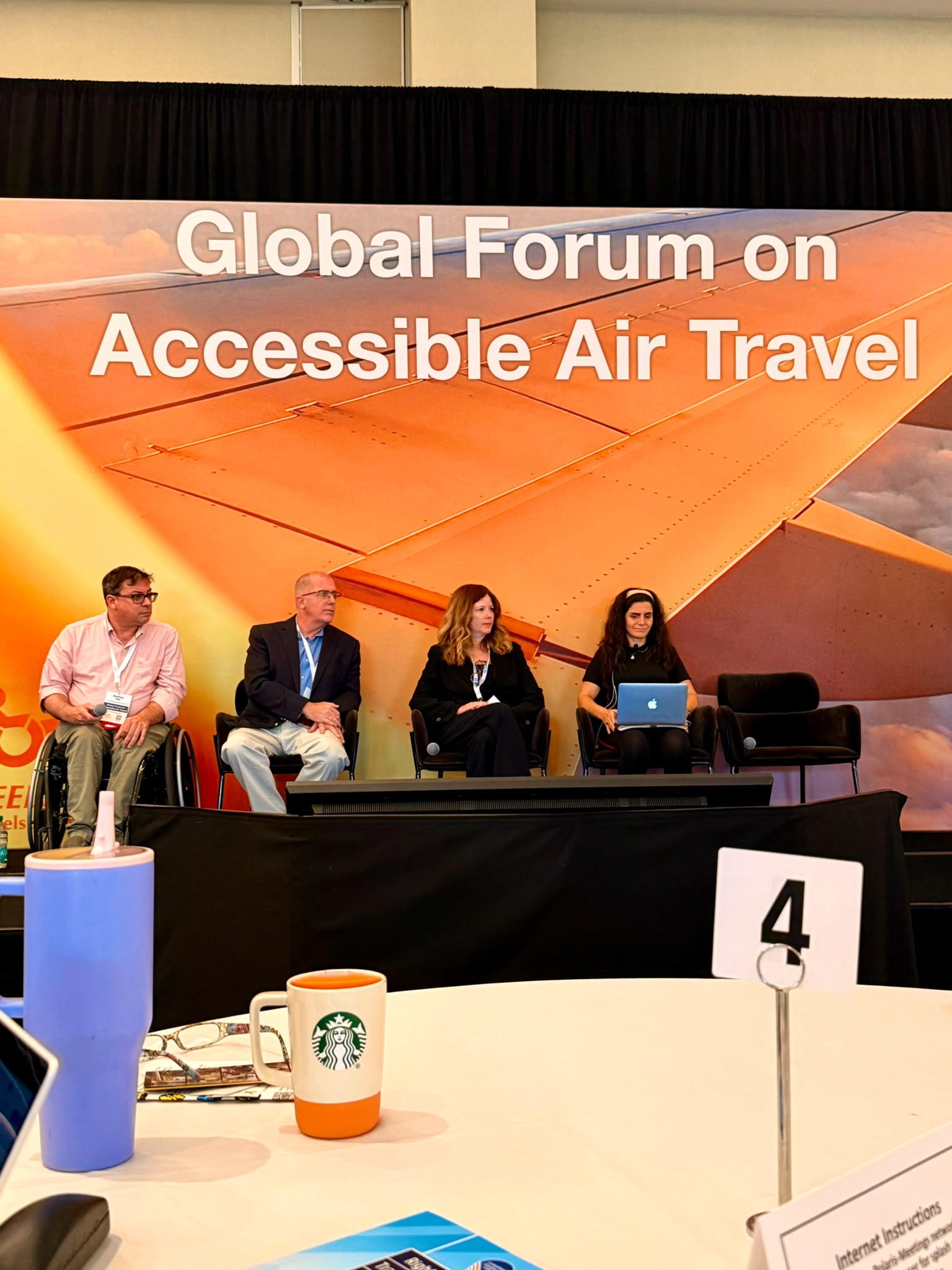
At the 2026 All Wheels Up Global Forum on Accessible Air Travel in Colorado Springs, William L. Neece, CEO of Ozion Americas, shared Ozion’s vision for the future of assisted passenger service operations in airports, including services often referred to as PRM (persons with reduced mobility) operations in European aviation.
For Ozion, that future begins with a simple idea: teams should be able to anticipate assistance needs, rather than only respond as they arise.
Flight schedules shift. Passenger needs evolve. Teams and equipment move across terminals. A dependable journey relies on people having the right information, at the right moment, to keep each stage connected.
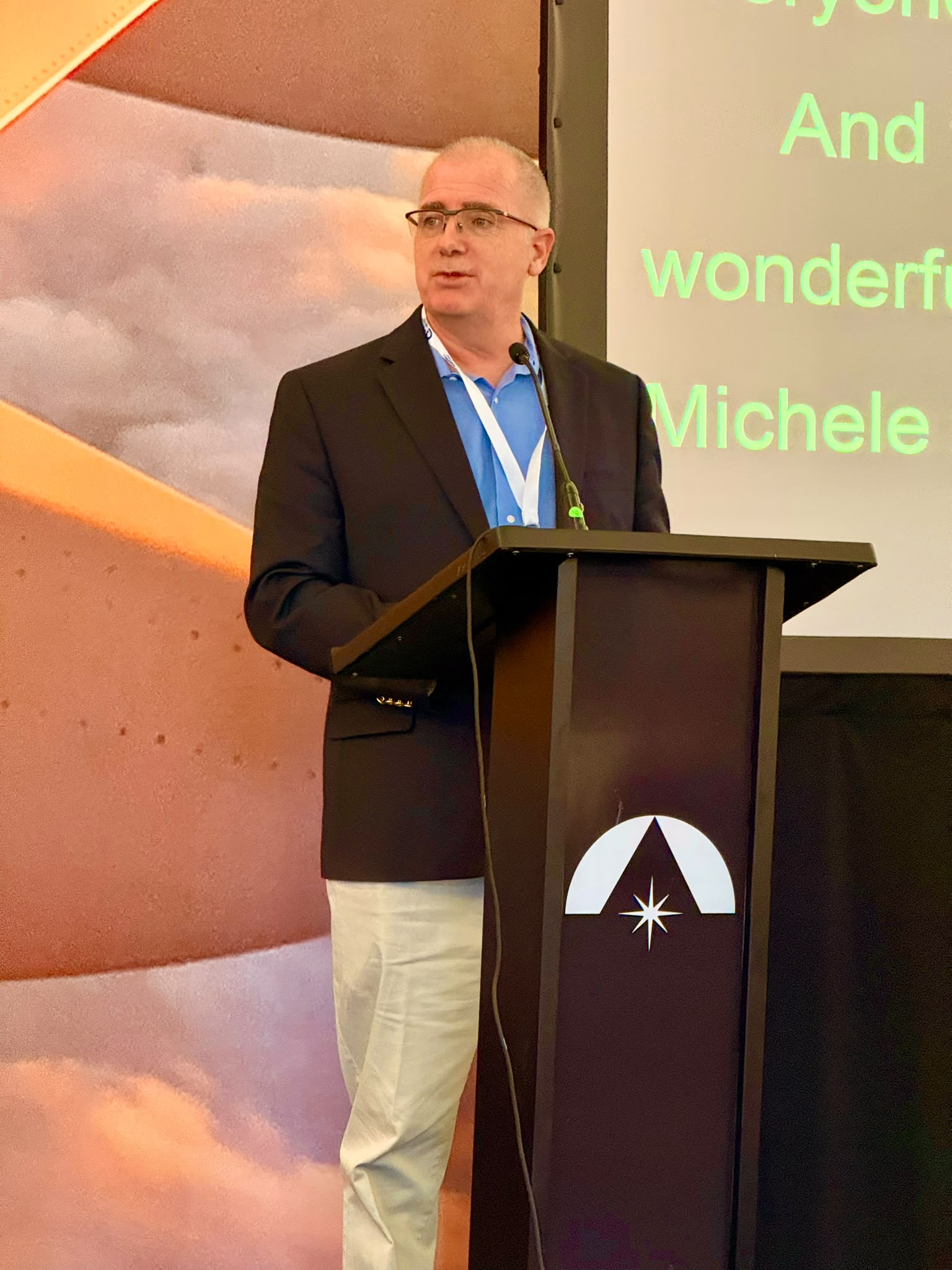
Visibility into what is happening now is essential. The next step is helping teams understand what is likely to happen next.
Through Vialto, Ozion is extending intelligence across assisted service operations: anticipating assistance needs, preparing teams ahead of demand and adapting as the operation changes.
This is the vision behind SMART predictive operations. By using available operational information to prepare earlier, teams can make more informed decisions throughout the passenger journey.
In practice, predictive assisted passenger operations can mean bringing together flight schedules, expected assistance demand, live operational conditions and available resources so supervisors can see where pressure is likely to build. That gives teams a chance to position people and equipment earlier, instead of waiting for queues, delays or resource gaps to appear.
The ambition is to make assisted journeys more dependable while improving efficiency and productivity.
A central message from William’s presentation was that visibility into the present is only part of the equation. The next step is giving operational teams enough foresight to prepare for what comes next.
For a passenger requiring assistance, operational coordination is personal. It can mean knowing that someone will be there to help, that a connection has been taken into account and that a change in the airport will be communicated.
Behind that journey is a team coordinating people, resources and information across a complex environment. Technology should support both the passenger and the people delivering the service.
Greater visibility and earlier preparation can help teams:
Airports, airlines and assistance providers need operations that can adapt to growing and changing demand. The challenge is to scale assistance while preserving the care and dependability passengers expect.
Ozion’s vision is to connect the different stages of the operation, rather than treat each service request as an isolated task. Better information should help teams prepare, coordinate and make decisions with greater confidence.
As demand grows, service quality must hold.
That is the future of assisted passenger services we are working toward with Vialto: a more proactive operation, built around the human journey.
The All Wheels Up Global Forum brings together stakeholders from across aviation and the disability community to advance accessible air travel. We were proud to contribute Ozion’s operational perspective to that conversation.
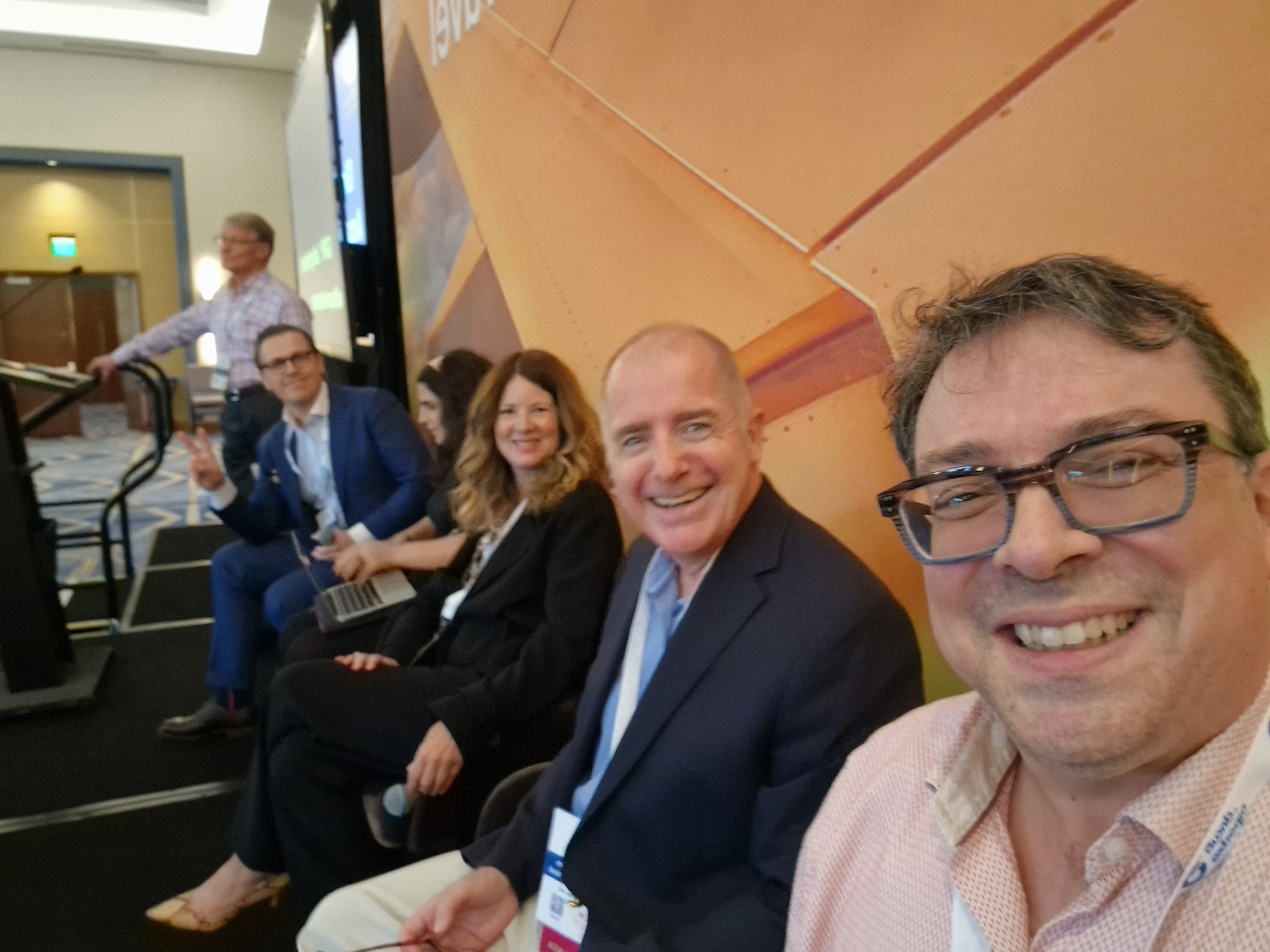
Thank you to All Wheels Up for bringing the community together, and to William’s fellow panelists, Roman Romanov, Cathy Nyfors and Sevda Yilmaz, for an insightful discussion.
We look forward to continuing the conversation about how predictive operations, connected information and smarter resource coordination can support more dependable passenger journeys.
Discover Ozion’s approach to airport PRM and passenger assistance software, and the operations behind each assisted journey.
For more perspectives from the PRM community, read our recap of the Airport PRM Leadership Conference in Paris and Miami.