Technology empowering human services



GHI Americas gave Ozion the opportunity to speak directly with airlines, ground handlers, PRM and accessibility service providers, and operational stakeholders from across the Americas.
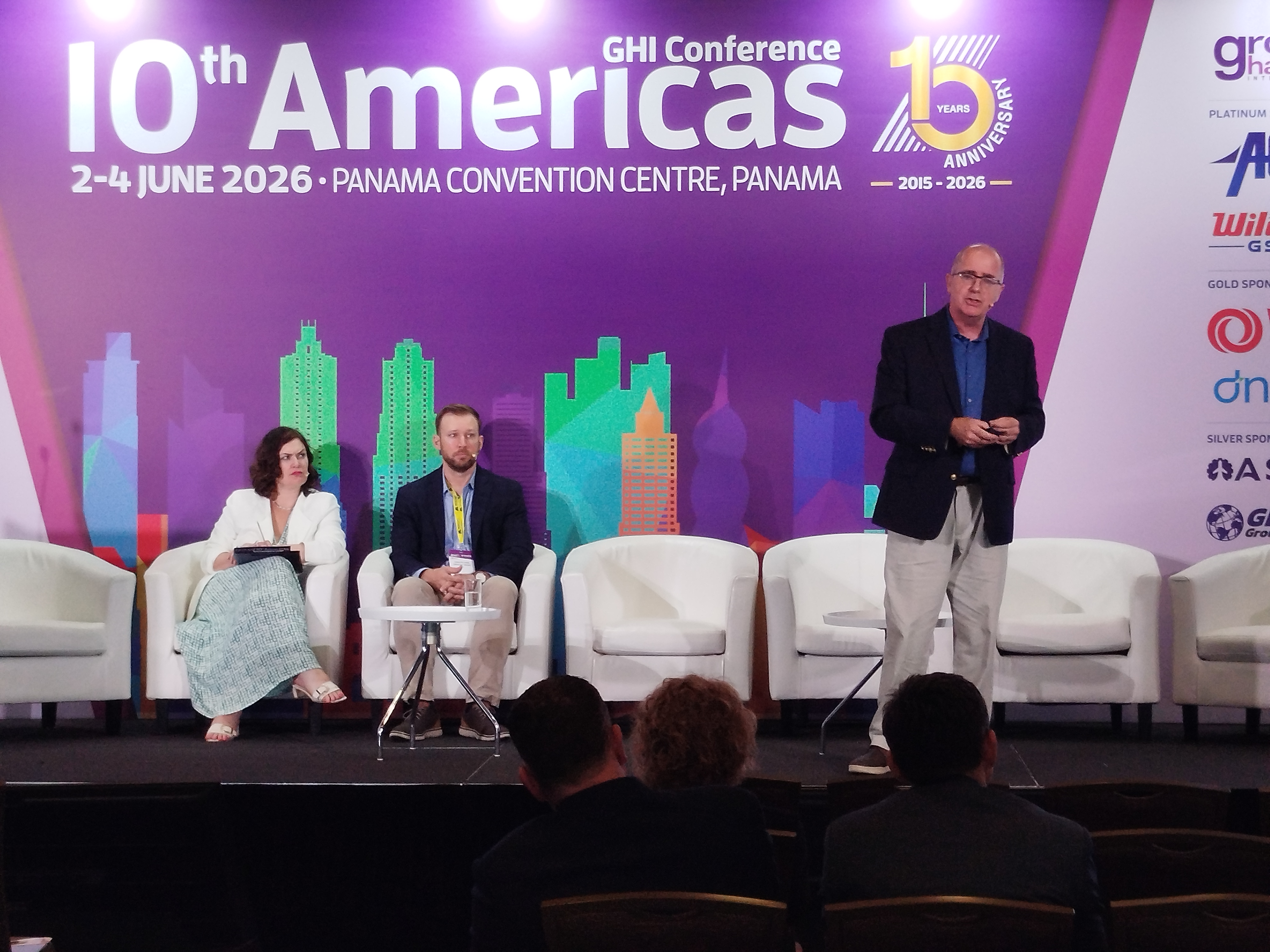
Across these conversations, one clear direction emerged: aviation operations are moving toward a more connected, consistent, performance-driven, and predictive model.
The needs we heard were not isolated. They formed a clear progression. First, the industry’s strongest leaders are not only exchanging ideas, but carrying them back into the wider aviation community. Then, operational teams need to connect systems, stakeholders, and workflows more effectively. Once the journey is connected, the next priority becomes consistency: ensuring services are delivered smoothly from request to final handover. From there, better planning becomes essential to protect both service quality and profitability. Finally, the industry is looking ahead to predictive operations, where teams can anticipate pressure points before they affect the passenger journey.
For Ozion, these discussions strongly reflected the needs our platform was built to address: connecting stakeholders, structuring operational data, and supporting smarter decision-making across the passenger journey.
.jpg)
One of the most striking observations from GHI Americas was the caliber of the attendees. The event brought together some of the most experienced, capable, and influential leaders in aviation ground handling, airport operations, PRM services, and passenger support.
But the value of an event like GHI Americas is not only in bringing leading voices together. Its real impact comes from what happens next: how the ideas, innovations, and lessons shared during these discussions are carried back into organizations and translated into practical improvements.
This matters because aviation progress cannot stay within the conference room. It needs to reach the wider community of people who keep the industry moving every day, from operational managers and planning teams to frontline agents and service partners.
The challenge for aviation leaders is therefore not only to stay ahead of change themselves. It is to share best practices, strengthen operational excellence, and help new ways of working reach the broader aviation ecosystem, so the entire industry can advance together.
For Ozion, this reinforces the importance of building technology that is not only innovative, but also practical, deployable, and useful for the people working inside real airport operations.

Once operational ideas move from strategy into practice, one of the first challenges is connection.
A strong takeaway from conversations with stakeholders across North America was that many organizations already use several tools, platforms, spreadsheets, emails, phone calls, and internal systems. The challenge is that these do not always connect smoothly across the full operational chain.
The result is an abundance of information spread across different places, teams, and processes.
This creates a need for a shared communication layer: a way to connect the tools, workflows, and stakeholders already involved, without forcing a rigid one-size-fits-all model.
This is where Ozion brings clear value. The platform connects relevant workflows, users, milestones, and reporting structures so airports, airlines, and service providers can work from the same live operational information.
This becomes especially valuable when several service providers are involved in the same passenger journey or operational process. Ozion helps connect provider to provider across the operational chain, turning separate steps into one more coordinated service flow.

Once the right information is connected, the next priority is consistency.
A recurring message from airline conversations was the importance of consistent service delivery across the full passenger journey. Airlines need services delivered reliably, smoothly, and on time, especially when a journey involves several handovers, multiple operational teams, or different business partners.
The priority goes beyond knowing that a service has been completed. It is about understanding how the journey is progressing, where each step stands, and whether the passenger experience remains consistent from the initial request to the final handover.
This creates value for every stakeholder. Airlines gain stronger service assurance, service providers coordinate around clearer milestones, airports benefit from smoother operational flow, and passengers experience a more reassuring journey.
Ozion supports this through live milestones, traceable actions, and structured reporting, making each step easier to follow, coordinate, and improve.

With better visibility and consistency, the next challenge is performance.
GHI Americas confirmed that service providers are managing a more complex operational equation: maintaining high service quality while facing demand peaks, staffing constraints, contractual obligations, cost control, and growing expectations from airports and airlines.
The insight from our conversations was clear: performance has become a question of planning, prioritizing, allocating resources, and protecting profitability while maintaining service quality, well beyond the execution of individual tasks.
When teams can anticipate demand, reduce unnecessary waiting time, avoid duplicated effort, and organize resources more effectively, they improve both productivity and passenger experience.
Ozion supports this evolution with live dashboards, structured task management, operational indicators, and planning tools that help service providers move from reactive execution to proactive operational control.
.jpeg)
The final shift is prediction.
Perhaps the strongest signal from GHI Americas was the growing demand for predictive capabilities. Once operations are connected, consistent, and performance-driven, the next step is to anticipate what comes next.
Stakeholders want to identify pressure points, forecast resource needs, detect peaks, and coordinate earlier, before service quality is affected.
This is where smart resource planning, predictive timelines, load curves, and live operational indicators become essential. They help teams understand what is happening now as well as what is likely to happen next.
This changes the operational question from "How do we react?" to "How do we prepare?"
Ozion's platform is built for this direction. By connecting operational data across stakeholders and turning it into usable planning intelligence, Ozion helps teams prepare for the next hour, the next peak, and the next operational challenge.
For airports, this means better anticipation of operational pressure. For airlines, more consistent service delivery. For service providers, more accurate resource planning. For passengers, fewer disruptions along the journey.
Taken together, these five takeaways point to a clear evolution in aviation operations: from leadership conversations to industry-wide progress, from disconnected systems to coordinated stakeholders, from isolated handovers to consistent journeys, from operational pressure to performance intelligence, and from reactive management to predictive planning.
For Ozion, GHI Americas confirmed that the market is moving toward the exact type of platform we have been building: one that connects stakeholders, adapts to each client’s needs, and supports smarter decision-making across the passenger journey.
Designed for real airport complexity, Ozion Intelligence, through Vialto, Viargo, and Vigigo, can be deployed progressively, adapted to each client’s operational needs, and connected to existing workflows, teams, and systems.
Ozion’s strength lies not only in the software itself, but in its ability to bring intelligence into real operations, helping airports, airlines, and service providers move toward more coordinated, consistent, and proactive aviation services.
Now, see what's next for your operation. Explore how connected stakeholders, operational intelligence, and predictive planning can help drive your operational performance, service consistency, and business results by contacting us below.